
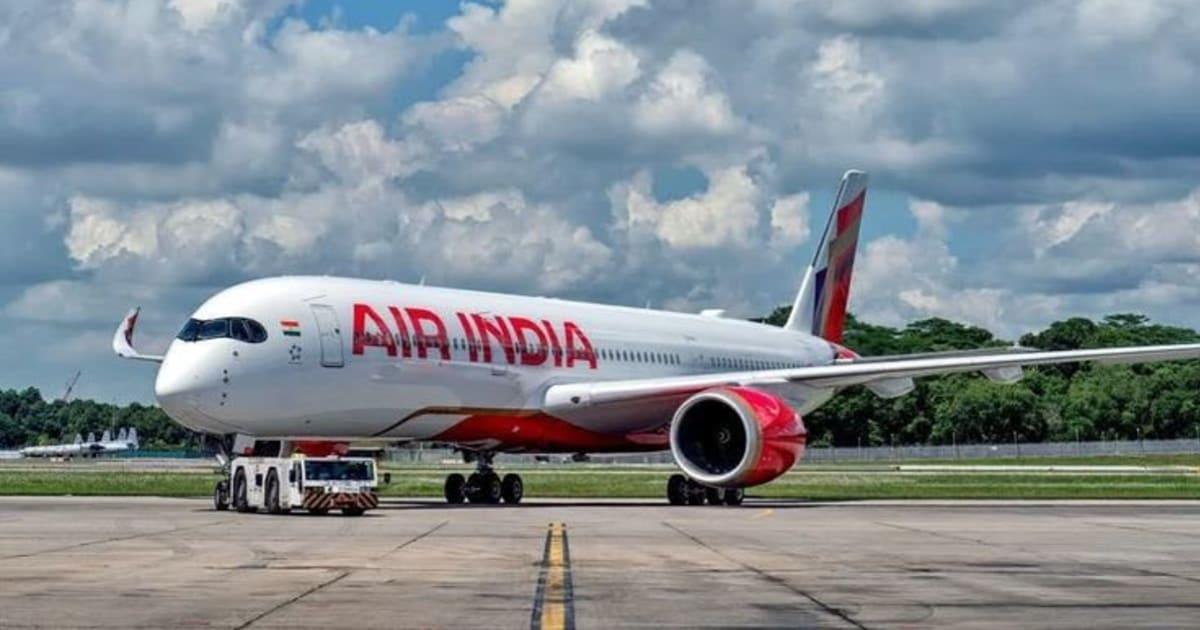
Pakistan has continued its restrictions on flights operated by India, with the airspace ban now entering its second year amid ongoing diplomatic tensions between the two neighboring countries.
The restriction was initially imposed during a period of heightened political and military strain. Since then, no official announcement has been made regarding its removal, leaving Indian airlines unable to access Pakistani airspace for international routes.
As a result, airlines have been forced to adopt longer alternative flight paths, significantly increasing travel time, fuel consumption, and operational costs. These changes have also impacted passengers, who often face extended journey durations and higher ticket prices.
The continued closure has broader implications for global aviation, as many key routes connecting South Asia with Europe, the Middle East, and beyond typically pass through this corridor. Airlines have had to adjust schedules and optimize routes to manage these disruptions.
Despite discussions at diplomatic levels, no breakthrough has been achieved so far. Analysts suggest that unless relations between Pakistan and India improve, the restrictions are likely to remain in place.
The situation highlights ongoing regional challenges affecting connectivity, aviation efficiency, and economic cooperation in South Asia.