
Decline in Petroleum-Based Car Sales
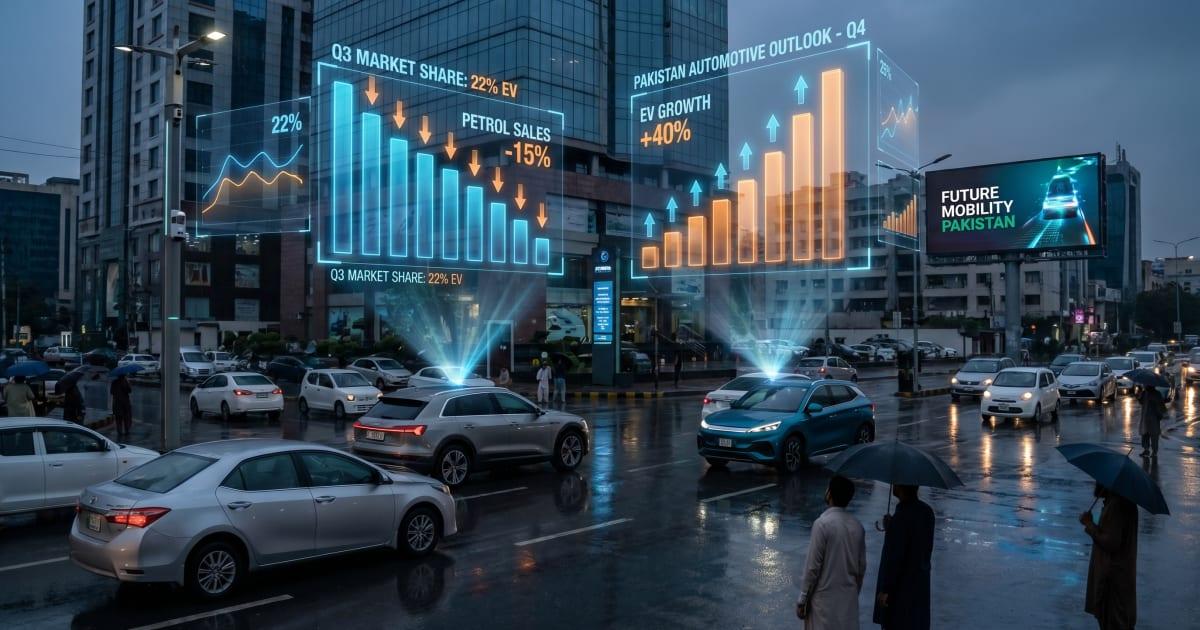
- Pakistan’s conventional petrol and diesel vehicle sales have dropped by 9%.
- The decline is primarily driven by rising fuel prices and higher operating costs.
- Consumers are becoming more cautious about long-term vehicle expenses.
Significant Growth in Electric Vehicles
- Electric vehicle (EV) sales have increased by an impressive 61%.
- This surge reflects a growing shift toward cost-effective and environmentally friendly alternatives.
- Increased availability of EV models is supporting this trend.
Key Factors Behind the Shift
- Rising petrol and diesel prices making traditional vehicles expensive
- Growing awareness of sustainability and environmental impact
- Government policies and incentives encouraging EV adoption
- Lower long-term maintenance and operational costs of EVs
Changing Consumer Behavior
- Buyers are now prioritizing:
- Fuel efficiency
- Long-term savings
- Eco-friendly transportation
- The market is gradually moving from fuel dependency to electrification.
Impact on the Automobile Industry
- The shift indicates a transformation in Pakistan’s auto sector.
- Automakers may increasingly invest in EV technology and infrastructure.
- Potential development of charging networks and EV-related services.
Future Outlook
- If the current trend continues, Pakistan could see:
- Increased EV adoption nationwide
- Reduced reliance on imported fuel
- A more sustainable transportation ecosystem
Conclusion
- The contrasting trends of declining petrol car sales and rising EV adoption highlight a significant market transition.
- Pakistan’s automotive future is likely to be shaped by efficiency, affordability, and sustainability.